
October 3, 2025
Calibrated Ply is more than just a thickness specification—it can be the difference between work that flows smoothly and work that wastes time and money. Many buyers and builders underestimate how uneven sheets slow down cutting, fixing, and finishing. Even a few millimetres off can mean extra sanding, wasted material, and frustrated workers on site. Choosing the right plywood is less about price and more about understanding what you are paying for. The key difference between calibrated and non-calibrated ply comes down to precise thickness.
What is Calibrated Ply?
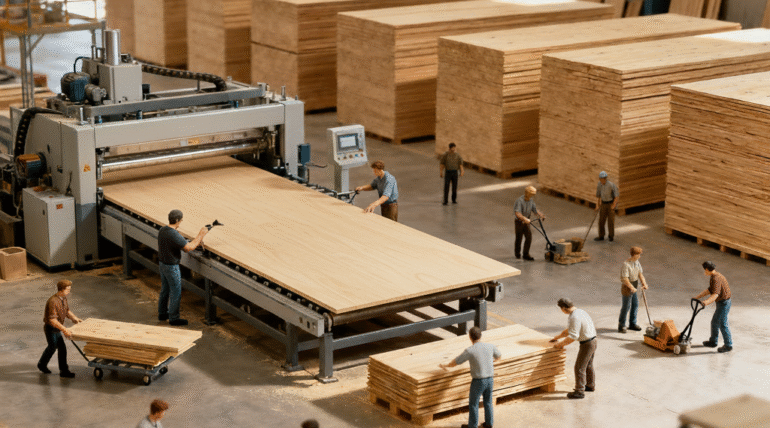
Calibrated ply is plywood that has been machine-planed so each sheet is the exact thickness it is supposed to be. That means when you buy a 12mm sheet, it really is 12mm across the board. This small detail makes a big difference on site or in the workshop. Cuts fit better, edges line up, and you spend less time sanding or adjusting panels. Calibrated ply is often used in furniture making, modular kitchens, wardrobes and any project where accuracy matters. For buyers and dealers, it is about saving time, reducing waste and giving clients a finished product that fits without constant adjustments.
What is Non-calibrated Ply?
Non-calibrated ply is plywood that comes straight from the press without being machine-planed to a uniform thickness. That means the same sheet can be slightly thicker in one spot and thinner in another. Because it does not go through the extra calibration process, it is cheaper and widely available.
- Typical uses include general construction, temporary structures, and areas where perfect fit is not critical.
- Limitations show up when you try to make furniture, cabinets or laminated panels. Panels may need extra sanding or trimming, joins may not align perfectly, and finishing takes longer.
For buyers, non-calibrated ply can be fine for rough work or budget projects, but it can add hidden costs if you need precision or want a clean, consistent result.
Calibrated vs Non-calibrated: The Real Difference
The difference between calibrated and non-calibrated ply may seem small on paper, but it shows up in every cut and joint.
| Feature | Calibrated Ply | Non-Calibrated Ply |
| Accuracy | Panels have exact thickness, fit perfectly | Thickness can vary, causing gaps or misaligned edges |
| Labour | Less time sanding, trimming, or adjusting | Extra work needed to correct uneven sheets |
| Waste | Fewer mistakes, less scrap, fewer replacements | More material wasted due to errors and misfits |
| Cost | Higher upfront, but saves time and money overall | Lower initial cost, but increases labour and material expenses |
- Pro Tip: Using calibrated ply reduces rework, saves material, and keeps your projects on schedule. The upfront cost is an investment in efficiency.
For buyers and workshop teams, these differences affect project speed, finish quality and client satisfaction.
How to Choose Smartly.
Choosing between calibrated and non-calibrated ply comes down to what your project really needs.
- Invest in calibrated ply when you need precise thickness for furniture, cabinets, laminated panels or any work where panels must fit perfectly. It saves time on sanding and reduces mistakes, making it ideal for high-quality finishes.
- Non-calibrated ply works well for general construction, temporary structures, or budget projects where minor thickness variations will not cause problems.
As a plywood manufacturer, we always suggest keeping a few points in mind before placing an order:
- Verify the thickness tolerance listed on the datasheet to avoid surprises on site.
- Request small test samples before committing to a full shipment.
- Make sure the ply grade aligns with your client’s project requirements.
- Look at the overall cost, including time spent on finishing and potential waste, not just the sheet price.
Following these steps helps dealers and importers make informed choices and avoid common problems when handling plywood.
From Choice to Confidence
In the end, choosing the right plywood comes down to understanding what your project really needs. Calibrated ply gives predictable results and saves effort during assembly, while non-calibrated sheets work where small variations don’t matter. It’s not about spending more, it’s about working smarter and avoiding surprises.
If you want to see the difference for yourself, Premium Ply offers calibrated sheets you can test before committing. Get in touch with us to request samples or talk through your project. Making the right choice today keeps your work smooth and your clients happy.
Frequently Asked Questions
Q. What exactly is Calibrated Ply?
A. Calibrated Ply is machine-sanded to achieve a uniform thickness across all sheets, ensuring smooth surfaces and precise fitting during furniture or construction work.
Q. Why should we pick Calibrated Ply over Non-Calibrated?
A. If your projects demands accuracy, hassle-free lamination, and a premium finish, Calibrated Ply is the smarter Choice. It saves time and alignment issues.
Q. Is Calibrated Ply worth the extra cost?
A. Yes. While slightly costlier, it reduces wastage, labour effort, and rework – making it more economical in the long run.
Q. When is Non – Calibrated Ply good enough?
A. Non – Calibrated ply works well for temporary structures, low budget furniture, or applications where small thickness variations won’t affect performance.
Q. Where to buy Calibrated Ply?
A. Get reliable, smooth, and ready-to-use Calibrated sheets from Premium Ply – perfect for furniture and construction projects.